TOSCA
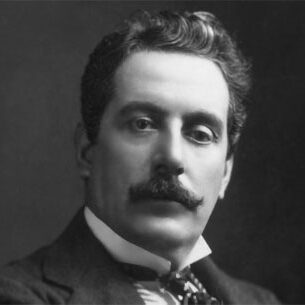
Music by Giacomo Puccini Libretto by Giuseppe Giacosa and Luigi Illica
Thursday, December 20, 2012 – 7:30
Saturday, December 22, 2012 – 2:00
Presented in partnership with the Philharmonic Center for the Arts
Generously Sponsored by Moran Edwards Asset Management Group of Wells Fargo Advisors Tickets: $89 and $129 Tickets for the performances of Tosca are on sale now through the Phil.
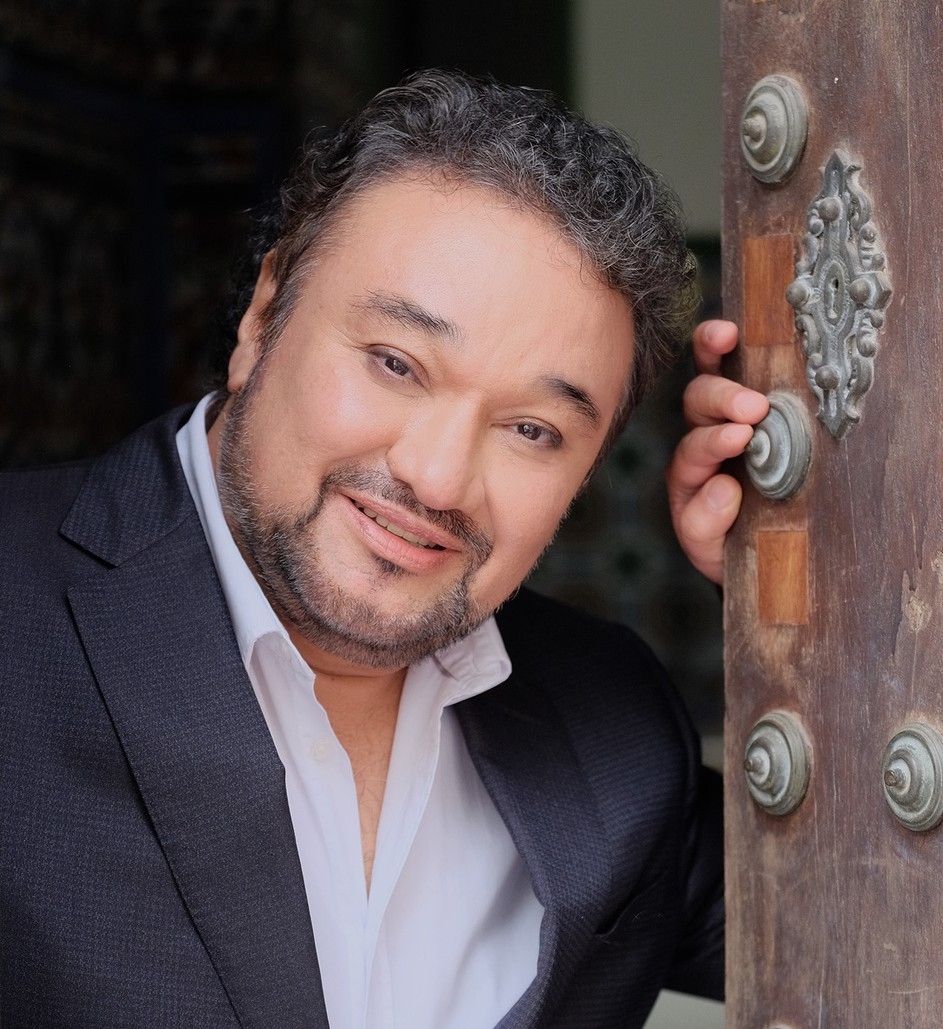
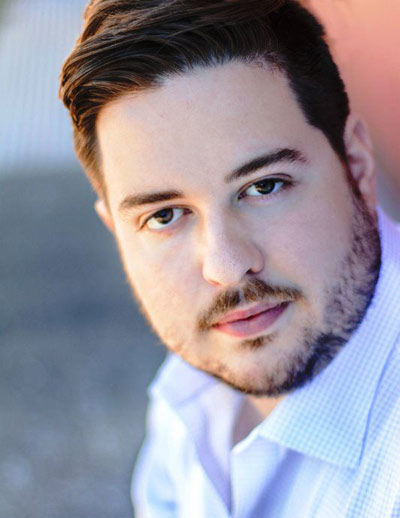
Our exciting eighth season opens with one of the most popular works of the entire repertoire, and revisits the first opera performed in the history of our company. Puccini’s Tosca has enthralled audiences since its premier in 1900 with its powerful music, gripping drama and heart-wrenching emotion. The cast will include lirico-spinto soprano Elizabeth Blancke-Biggs in the title role. Ms. Blancke-Biggs has performed in major opera houses across America, Europe and Asia, alongside such artists as Placido Domingo, Deborah Voight and Marcello Giordani, with whom she performed the title role of Tosca for a live Sirius Satellite broadcast from the Metropolitan Opera. She will be joined by Italian baritone, Andrea Zese, who makes his American debut as Scarpia, a role he has sung around the world, including recent performances in Palermo and Tokyo. Southwest Florida favorite and frequent maestro at the Metropolitan Opera, Paul Nadler, returns to Opera Naples following his triumphant debut for the Company’s production of Faust to conduct the Naples Philharmonic Orchestra. Tomer Zvulun, another Met regular, makes his Opera Naples debut as Stage Director.
CAST

Tosca
Elizabeth Blancke-Biggs
Photo Credit: Karin Cooper

Scarpia
Andrea Zese

Angelotti
Colin Ramsey

Sacristan
Joseph Ryan

Spoletta
David Cangelosi

Sciarrone & Understudy: Scarpia
Christopher Holloway

Jailer
James Harrington
SYNOPSIS
ACT I
The opera opens as Cesare Angelotti seeks refuge in the Attavanti chapel of the church of Sant’Andrea della Valle, having just escaped from the prison at Castel Sant’Angelo. He hides at the approach of the Sacristan who is followed by the painter Mario Cavaradossi. Cavaradossi begins to work on his painting, a portrait of Mary Magdalene inspired not only by an unknown lady who came to pray to the Virgin, but also by his beloved Floria Tosca, a famous opera singer. After the Sacristan leaves, Angelotti emerges and asks Mario for help. The painter agrees, and urges Angelotti back into the chapel as the voice of Tosca is heard. A jealous woman, she demands to know why she was kept waiting, and suspects Mario of talking to another woman. He reassures her of his love, and the pair agrees to meet that evening at Cavaradossi’s villa. After Tosca leaves, Angelotti reappears and Cavaradossi reaffirms his promise to save him. They leave for the villa to conceal the pursued man. The Sacristan returns in great excitement, telling the gathered choristers that there will be a special performance that evening celebrating the defeat of Napoleon, and that Tosca will be the soloist. Now enters the Roman chief of police, Baron Scarpia, searching for Angelotti. His men find the Attavanti chapel open, and inside, a fan emblazoned with the family crest and an empty basket that had held the lunch prepared for the painter. The Sacristan expresses amazement, as earlier he had noticed that Mario had not touched his meal. Scarpia concludes that Cavaradossi had aided Angelotti’s escape. Suddenly Tosca returns and Scarpia uses the fan to convince her that Cavaradossi has fled with another woman, arousing jealousy in her. Hoping that she will lead him to the fugitive and his protector, Scarpia orders his spies to follow her as she leaves the church then joins in the Te Deum, swearing he will capture the prisoner, the painter and Tosca as well.
ACT II
Scarpia dines in his quarters in the Farnese Palace. His henchman Spoletta appears and reports that Tosca led Scarpia’s agents to a remote country villa. Angelotti was not to be found, but they arrested Cavaradossi and brought him to the palace. Scarpia summons Tosca from the courtyard below and she is dismayed to see Cavaradossi, who warns her to say nothing to them about Angelotti. Scarpia resorts to extreme measures to compel the information from Tosca. As Cavaradossi is tortured in the next room, she reveals the secret. Scarpia has Cavaradossi brought back in to hear the order to arrest Angelotti. Cavaradossi curses Tosca, and cries defiance at the tyranny of Scarpia, just as word arrives that the earlier report of Napoleon’s defeat at Marengo was incorrect. Cavaradossi cries out with joy and is dragged from the room to prison. Tosca pleads for Mario’s life, and Scarpia offers her an exchange. If she will give herself to him, he will free Cavaradossi, and provide them safe conduct out of the city. In desperation, she agrees. Scarpia tells Tosca there must be a mock execution and covertly orders Spoletta to make preparations for a real one. As Scarpia prepares to claim his prize, Tosca grabs a knife from the table and kills him.
ACT III
A shepherd boy is heard singing at dawn outside the prison at Castel Sant’Angelo. Cavaradossi awaits his execution, which is an hour away. He convinces the jailer to accept a gold ring in exchange for the opportunity to write a letter to Tosca. He fondly recalls their love and the pleasant memories of times they spent together. Tosca enters, and recounts the events including Scarpia’s bargain, his death, and what she believes will be a mock execution in which Mario must pretend to die. She also tells him about the safe-conduct pass that will get them out of Rome before Scarpia’s death is discovered. The lovers joyously dream of the future but are interrupted by the arrival of the soldiers. As the firing squad prepares to take aim, Tosca offers Cavaradossi advice in how to fall convincingly. The soldier’s fire and Cavaradossi slumps to the ground. When the soldiers leave, Tosca asks him to rise and come away with her. When he fails to stir, she hurries to his side and discovers that the execution was real after all. Distant shouts announce the discovery of Scarpia’s body, and that Tosca has murdered him. As Spoletta, Sciarrone, and the soldiers rush in to seize Tosca, she climbs to the parapet and leaps to her death.